Navigating Cross-Border Compliance Frameworks That Shape Access to Progressive Prize Pools in Remote Card Play and Digital Reel Platforms
Xander Becker · Oct 9, 2026
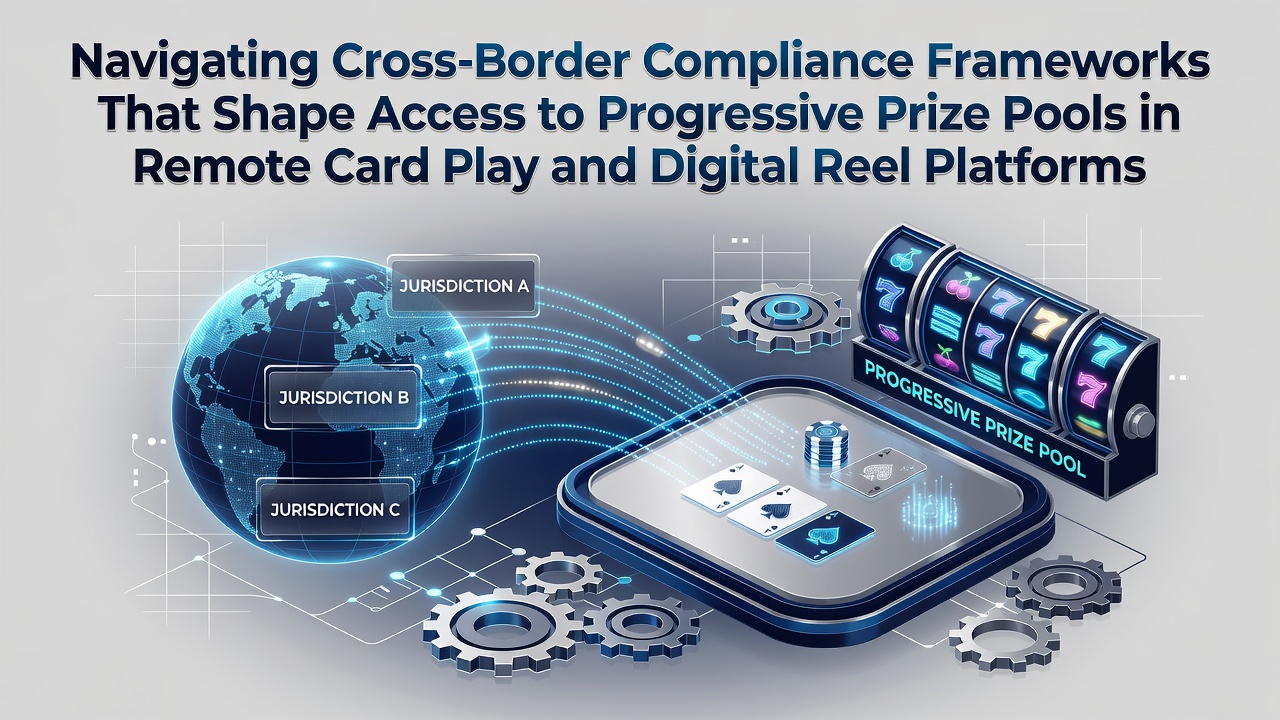
Navigating Cross-Border Compliance Frameworks That Shape Access to Progressive Prize Pools in Remote Card Play and Digital Reel Platforms
Cross-border compliance frameworks continue to define how players gain entry to progressive prize pools across remote card play platforms and digital reel environments, and observers note that these rules have grown more intricate since mid-2025 as jurisdictions update licensing and data requirements.
Regional Regulatory Structures and Their Reach
European authorities maintain strict licensing through bodies such as the Malta Gaming Authority, which enforces player fund segregation and audit trails before operators can pool contributions into cross-jurisdiction jackpots, while data from the European Gaming and Betting Association shows that 2026 updates require real-time reporting on jackpot contributions from multiple member states. In North America, individual state compacts and provincial rules in Canada create separate approval pathways that operators must satisfy before progressive slot meters or poker tournament prize pools can accept entries from out-of-state accounts.
Asia-Pacific regulators add further layers, with Australian state commissions and Singapore's regulatory office requiring geo-fencing and identity verification protocols that directly limit which progressive reel events and card room prize pools remain visible to international users.
How These Rules Affect Progressive Prize Pools
Progressive prize pools in remote card sessions and digital reel platforms rely on aggregated contributions from approved markets, yet compliance mandates often force operators to segment pools by jurisdiction so that only verified participants from licensed regions share in the growth. Research indicates that failure to maintain these separations can trigger license reviews or fund freezes, particularly when October 2026 deadlines for enhanced anti-money laundering checks take effect across several European and Asian markets.
Operators respond by implementing dynamic eligibility engines that check player location, account status, and local licensing status before allowing entry fees or spin contributions to feed into the shared meter, and those systems have become standard on major platforms handling both live dealer card games and automated reel titles.

Operational Challenges for Remote Card and Reel Platforms
Remote card play environments face unique hurdles because tournament structures often span multiple days and draw entrants from varied time zones, requiring continuous monitoring of regulatory status changes that could disqualify a player mid-event. Digital reel platforms encounter parallel issues when progressive meters must pause or redirect contributions once a jurisdiction alters its rules on pooled funds. Figures from industry reports reveal that operators who maintain separate prize pool ledgers for each regulatory zone reduce compliance incidents by measurable margins compared with those attempting single global pools.
Payment processors add another dimension since cross-border transactions tied to jackpot entries must satisfy both gambling and financial services rules, prompting platforms to integrate automated screening tools that flag high-risk corridors before funds reach the prize meter.
Practical Navigation Approaches Observed in the Sector
Many platforms now deploy modular compliance layers that map each player's regulatory profile against current jackpot rules, allowing seamless access where permitted while blocking or redirecting entries elsewhere. Partnerships with local licensees in emerging markets have also become common, letting operators expand progressive reel and card offerings without direct exposure to every jurisdiction's licensing process. Data from academic gaming studies shows that these layered models support higher participation rates in approved regions because players encounter fewer access interruptions.
October 2026 has already seen several operators roll out updated dashboards that display real-time eligibility for progressive events, reflecting the latest filings from multiple regulators and helping users understand why certain prize pools appear or disappear based on their location.
Conclusion
Cross-border compliance frameworks shape every stage of access to progressive prize pools in remote card play and digital reel platforms, from initial licensing through ongoing transaction monitoring and final prize distribution. As regulatory environments continue to evolve, platforms that maintain accurate jurisdictional mapping and transparent eligibility systems enable consistent participation where rules allow, while those who ignore these requirements risk restricted operations and reduced player reach across both card and reel formats.